Published - Wed, 05 Jun 2024

The Importance of Fire Fighting and Rescue Training for Everyone
The Importance of Fire Fighting and Rescue Training for Everyone - Key Insights & Details
Fire—it's a force of nature that has both the power to sustain life and the potential to destroy it. In our modern world, where fires can break out anywhere, from homes to workplaces, the importance of fire fighting and rescue training cannot be overstated. In this article, we'll understand the various types of fires, fire extinguishing mediums, safety precautions, and why fire training is essential for everyone's safety.
Understanding the Nature of Fire:
Before we explore the intricacies of fire fighting and rescue training, it's crucial to understand the nature of fire itself. Fire is the result of a chemical reaction known as combustion, which occurs when a fuel source combines with oxygen and heat. This reaction releases energy in the form of heat and light, sustaining the fire and allowing it to spread if not controlled.
There are several types of fires, each classified based on the type of fuel involved. These classifications include:
1. Class A Fires: These fires involve ordinary combustible materials such as wood, paper, cloth, and plastics. Class A fires are among the most common and can occur in homes, offices, and industrial settings.
2. Class B Fires: Class B fires involve flammable liquids and gases such as gasoline, oil, propane, and solvents. These fires can be particularly dangerous due to the volatility of the fuel involved.
3. Class C Fires: Class C fires involve energized electrical equipment, such as electrical panels, wiring, and appliances. Attempting to extinguish a Class C fire with water can pose a significant risk of electrocution.
4. Class D Fires: Class D fires involve combustible metals, such as magnesium, titanium, and sodium. These fires are relatively rare but can occur in industrial settings where metal powders or shavings are present.
5. Class K Fires: Class K fires involve cooking oils and fats, typically found in commercial kitchens and restaurants. These fires can be extremely hot and difficult to extinguish using traditional methods.
Fire Extinguishing Mediums:
Effective fire fighting requires the use of appropriate extinguishing mediums tailored to the type of fire involved. Here are some common fire extinguishing agents and their applications:
1. Water: Water is the most commonly used extinguishing agent for Class A fires, as it cools the fuel and removes heat from the fire. However, water should not be used on Class B, C, or D fires, as it can spread flammable liquids, conduct electricity, or react violently with certain metals.
2. Foam: Foam extinguishers are effective for Class A and B fires, as the foam creates a barrier between the fuel and the oxygen, smothering the fire. Foam extinguishers are commonly used in industrial settings and areas where flammable liquids are present.
3. Carbon Dioxide (CO2): CO2 extinguishers are suitable for Class B and C fires, as the CO2 displaces oxygen, suffocating the fire. CO2 extinguishers are non-conductive and leave no residue, making them ideal for use on electrical equipment.
4. Dry Chemical Powder: Dry chemical powder extinguishers are versatile and effective for Class A, B, and C fires. The powder interrupts the chemical reaction of the fire and forms a barrier that prevents reignition. However, care should be taken when using dry chemical powder near sensitive equipment or electronics, as the powder can be corrosive.
5. Wet Chemical: Wet chemical extinguishers are specifically designed for Class K fires involving cooking oils and fats. The wet chemical forms a soapy layer on the surface of the fuel, preventing it from reigniting.
Safety Precautions and Training:
While fire extinguishers and other firefighting equipment are valuable tools for combating fires, proper training is essential to ensure their effective use. Fire fighting and rescue training provide individuals with the knowledge, skills, and confidence to respond quickly and safely in the event of a fire emergency.
Training programs cover a wide range of topics, including:
1. Fire Prevention: Understanding the causes of fires and implementing preventive measures to reduce the risk of fire incidents.
2. Fire Detection and Alarm Systems: Recognizing the signs of a fire and responding promptly to activate alarm systems and alert others to evacuate.
3. Evacuation Procedures: Knowing the designated evacuation routes, assembly points, and procedures for safely evacuating occupants from a building or area.
4. Fire Extinguisher Use: Learning how to select the appropriate extinguishing agent for the type of fire, operate fire extinguishers correctly, and maintain safe distances from the fire.
5. Emergency Communication: Effectively communicating with emergency responders, colleagues, and occupants during a fire emergency to coordinate evacuation and rescue efforts.
6. First Aid and Rescue Techniques: Providing basic first aid to individuals injured during a fire emergency and performing rescue operations to evacuate trapped or injured occupants.
Elite Offshore Pvt Ltd: A Commitment to Fire Fighting and Rescue Training
At Elite Offshore Pvt Ltd, we understand the critical importance of fire safety and rescue training in safeguarding lives and property. Through our comprehensive training programs, we equip individuals with the knowledge, skills, and confidence to respond effectively to fire incidents and emergencies.
Our training modules cover a wide range of topics, including fire prevention, fire extinguisher usage, evacuation procedures, and first aid techniques. We utilize state-of-the-art facilities and experienced instructors to deliver hands-on training that simulates real-world scenarios, ensuring participants are well-prepared to handle emergencies with competence and composure.
Moreover, our commitment to continuous improvement drives us to stay abreast of the latest developments in fire safety technology and best practices. We regularly update our training programs to incorporate industry advancements and regulatory changes, ensuring our participants receive the most relevant and up-to-date instruction.
Through our unwavering dedication to excellence in fire fighting and rescue training, Elite Offshore Pvt Ltd is proud to contribute to the safety and well-being of individuals and communities across India. Together, let's prioritize fire safety education and preparedness to prevent disasters and protect what matters most—our lives. Get in touch with us on training@eliteoffshore.in.
Fire fighting and rescue training should be accessible to everyone, regardless of their occupation or level of experience. Employers, educational institutions, community organizations, and government agencies play a vital role in providing and promoting fire safety training initiatives.
Conclusion:
Fire fighting and rescue training are essential components of fire safety preparedness for individuals and organizations alike. By understanding the nature of fire, the different types of fires, and the appropriate extinguishing agents, individuals can effectively respond to fire emergencies and minimize the risk of injury or property damage.
Moreover, fire safety training instills a culture of awareness, responsibility, and preparedness, empowering individuals to take proactive measures to prevent fires and protect themselves and others. As the saying goes, "prevention is better than cure," and investing in fire safety training is an investment in the safety and well-being of our communities.
Stay safe, stay prepared, and never underestimate the importance of fire fighting and rescue training.
Created by

Elite Offshore Pvt Ltd
Elite Offshore Pvt Ltd, established 2015, headquartered in CBD Belapur, Navi Mumbai, is a renowned training institution specializing in safety and skill courses for the offshore and industrial sectors. With a commitment to excellence, Elite Offshore offers a wide range of courses designed to meet the specific needs of professionals working in challenging environments. These courses include BOSIET, HUET, HLO, HDA, OERTM, OERTL, and more, ensuring that individuals are equipped with the necessary knowledge and skills to excel in their roles. As a trusted name in the industry, Elite Offshore is known for its state-of-the-art facilities, experienced trainers, and adherence to international safety standards. Through their training programs, they aim to enhance safety, efficiency, and proficiency in offshore and industrial operations, contributing to the success and well-being of professionals and organizations alike. Learn more about Elite Offshore Pvt Ltd and their comprehensive training solutions at https://eliteoffshore.in. Elite Offshore Pvt Ltd was founded with a clear goal - to enhance safety standards and promote unmatched skills development in the offshore industry. Established in 2015, the institute quickly gained a reputation as a reliable partner for individuals and organizations seeking exceptional training programs. With a commitment to delivering top-quality training solutions, Elite Offshore has become a recognized name in providing complete safety and skill development programs for the industrial and offshore oil and gas sector. It's not just a training center but a hub of knowledge, safety, and professional growth.
Elite Offshore Pvt Ltd: Leading the Way in Safety and Skill Training
Founded with a vision to revolutionize safety and skill training in the offshore and industrial sectors, Elite Offshore Pvt Ltd stands tall as a beacon of excellence in CBD Belapur, Navi Mumbai. Established in 2015, Elite Offshore has rapidly emerged as a trusted name, delivering top-notch courses and certifications to professionals across various industries.
Inception and Growth:
Elite Offshore Pvt Ltd was born in 2015 from a passion for ensuring the utmost safety and efficiency in offshore and industrial operations. The founders envisioned a training institution that would not only impart essential skills but also instill a culture of safety consciousness among professionals.
In the early days, Elite Offshore started its journey with a modest team of highly skilled trainers and a commitment to providing cutting-edge training facilities. The institution quickly gained recognition for its hands-on approach, practical training modules, and adherence to international safety standards.
Courses Offered:
One of the key pillars of Elite Offshore's success is its diverse range of courses catering to the specific needs of the offshore and industrial sectors. The institution offers a comprehensive suite of training programs, including:
1. Basic Offshore Safety Induction and Emergency Training (BOSIET): Equipping professionals with essential survival skills and emergency response training for offshore environments.
2. Helicopter Underwater Escape Training (HUET): Providing the knowledge and techniques needed to escape safely from a submerged helicopter.
3. Helideck Assistant (HLO): Training individuals in the safe and efficient management of helideck operations.
4. Hazardous Area Classification (HDA): Understanding the classification and management of hazardous areas in industrial settings.
5. Offshore Emergency Response Team Member (OERTM): Developing the skills required to be part of an emergency response team in offshore installations.
6. Offshore Emergency Response Team Leader (OERTL): Training individuals to lead and coordinate emergency response efforts in offshore environments.
7. Liberia approved OIM, Barge Supervisor, Ballast Control Operator, Maintenance Supervisor.
and many more. Visit https://eliteoffshore.in for more details.
Excellence in Training:
What sets Elite Offshore apart is its unwavering commitment to excellence in training. The institution boasts state-of-the-art training facilities equipped with the latest technology and simulators. This allows participants to experience real-life scenarios in a controlled environment, enhancing their learning and preparedness.
Moreover, Elite Offshore's team of seasoned trainers brings a wealth of industry experience and expertise to the classroom. Their practical insights and hands-on approach ensure that participants not only grasp theoretical concepts but also develop the necessary skills to excel in their roles.
Industry Recognition and Achievements:
Over the years, Elite Offshore Pvt Ltd has garnered numerous accolades and certifications for its exceptional training standards. The institution is proud to be accredited by prestigious bodies such as IADC, Liberia Govt etc, ensuring that its courses meet the highest industry standards.
Elite Offshore has also forged strong partnerships with leading companies in the offshore and industrial sectors. These collaborations have enabled the institution to stay abreast of industry trends, emerging technologies, and evolving safety regulations.
Future Ambitions:
Looking ahead, Elite Offshore Pvt Ltd has ambitious plans to further expand its footprint in the realm of safety and skill training. The institution aims to:
1. Enhance Course Offerings: Continuously innovate and introduce new courses that address the evolving needs of the offshore and industrial sectors.
2. Global Expansion: Explore opportunities to establish training centers in key offshore hubs worldwide, catering to an international clientele.
3. Research and Development: Invest in research and development initiatives to develop advanced training methodologies and simulators.
4. Corporate Social Responsibility: Engage in meaningful CSR initiatives aimed at promoting safety awareness and skill development in local communities.
5. Industry Partnerships: Strengthen collaborations with industry leaders, academic institutions, and regulatory bodies to drive excellence in safety and skill training.
Conclusion:
In a world where safety and efficiency are paramount in offshore and industrial operations, Elite Offshore Pvt Ltd stands as a beacon of excellence. With its unwavering commitment to providing top-tier training, cutting-edge facilities, and a team of industry-leading trainers, the institution continues to shape the future of safety and skill development.
As Elite Offshore embarks on its journey towards greater heights, its mission remains clear: to empower professionals with the knowledge, skills, and confidence to navigate the challenges of the offshore and industrial sectors safely and effectively.
For more information about Elite Offshore Pvt Ltd and its range of courses, visit https://eliteoffshore.in or write to info@eliteoffshore.in or training@eliteoffshore.in.
Comments (0)
Search
Popular categories
OSHA & Industrial Safety Courses
19Liberia Approved Rig Courses
7Marine and Offshore
4Offshore Oil and Gas Rig Courses
3IADC Approved - E learning
2Port & Marine Courses
2Latest blogs
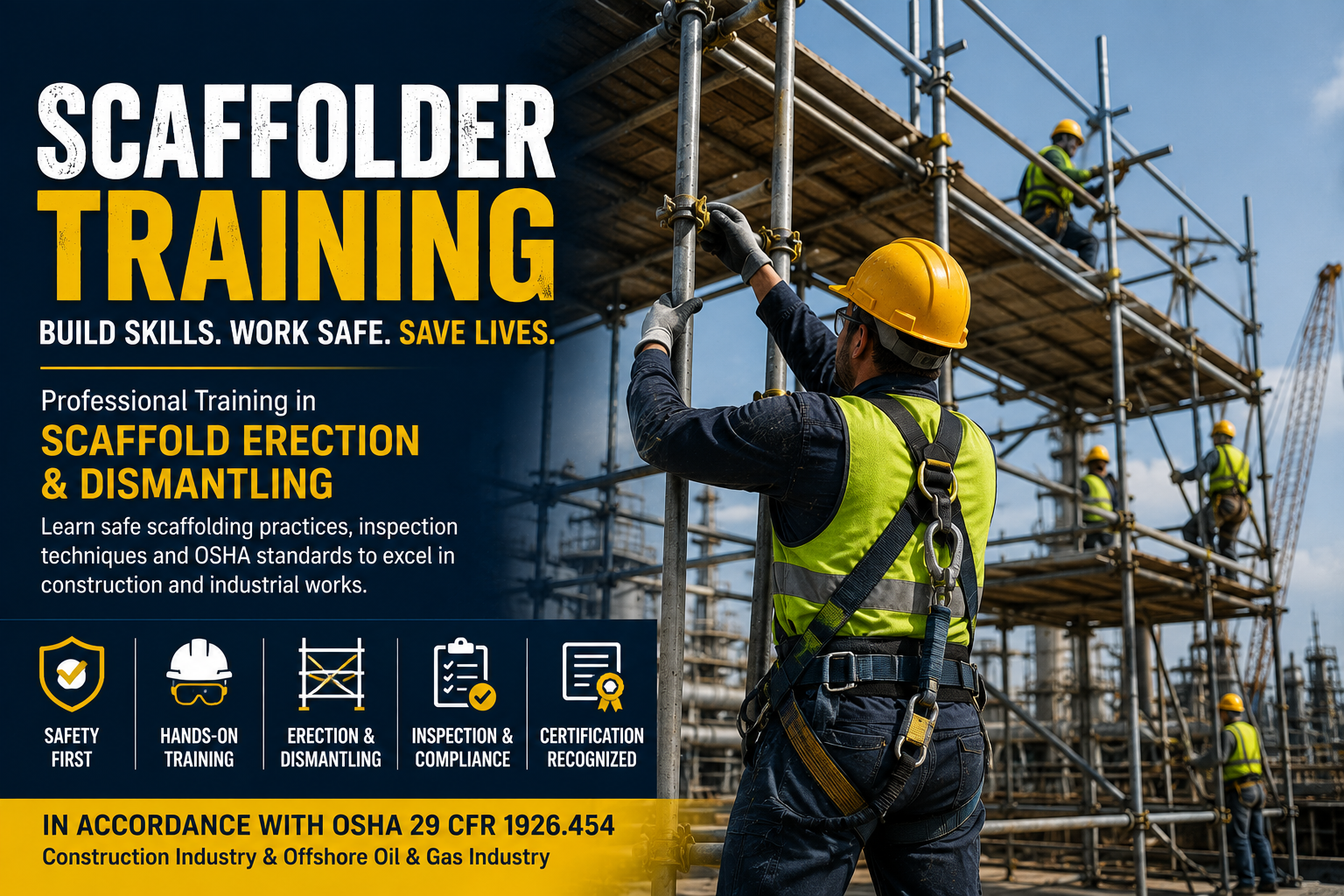
Why Scaffolder Training Is Essential for Safe Construction and Industrial Work
7 Days Ago
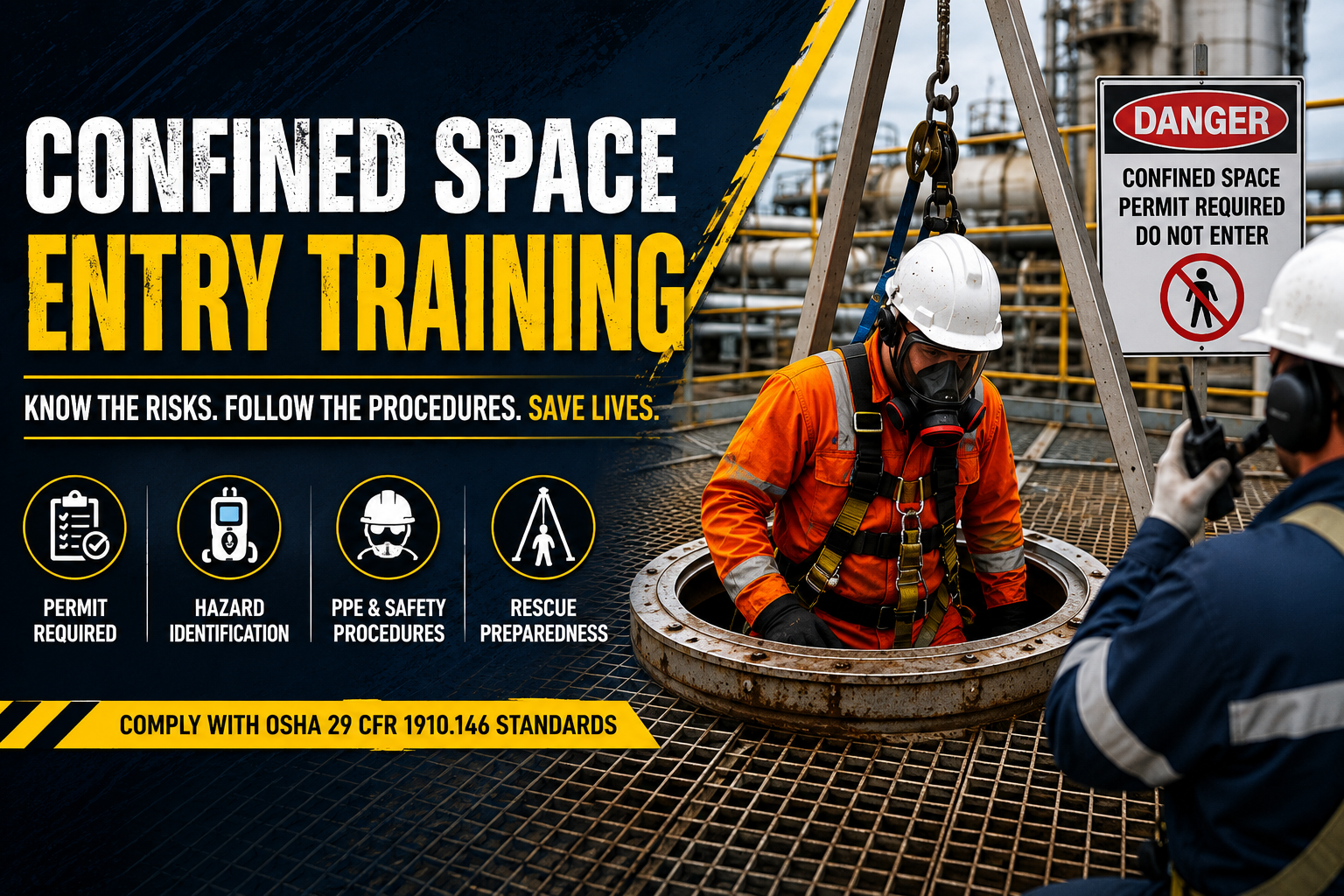
Confined Space Entry: Essential Safety Practices Every Worker Should Know
7 Days Ago
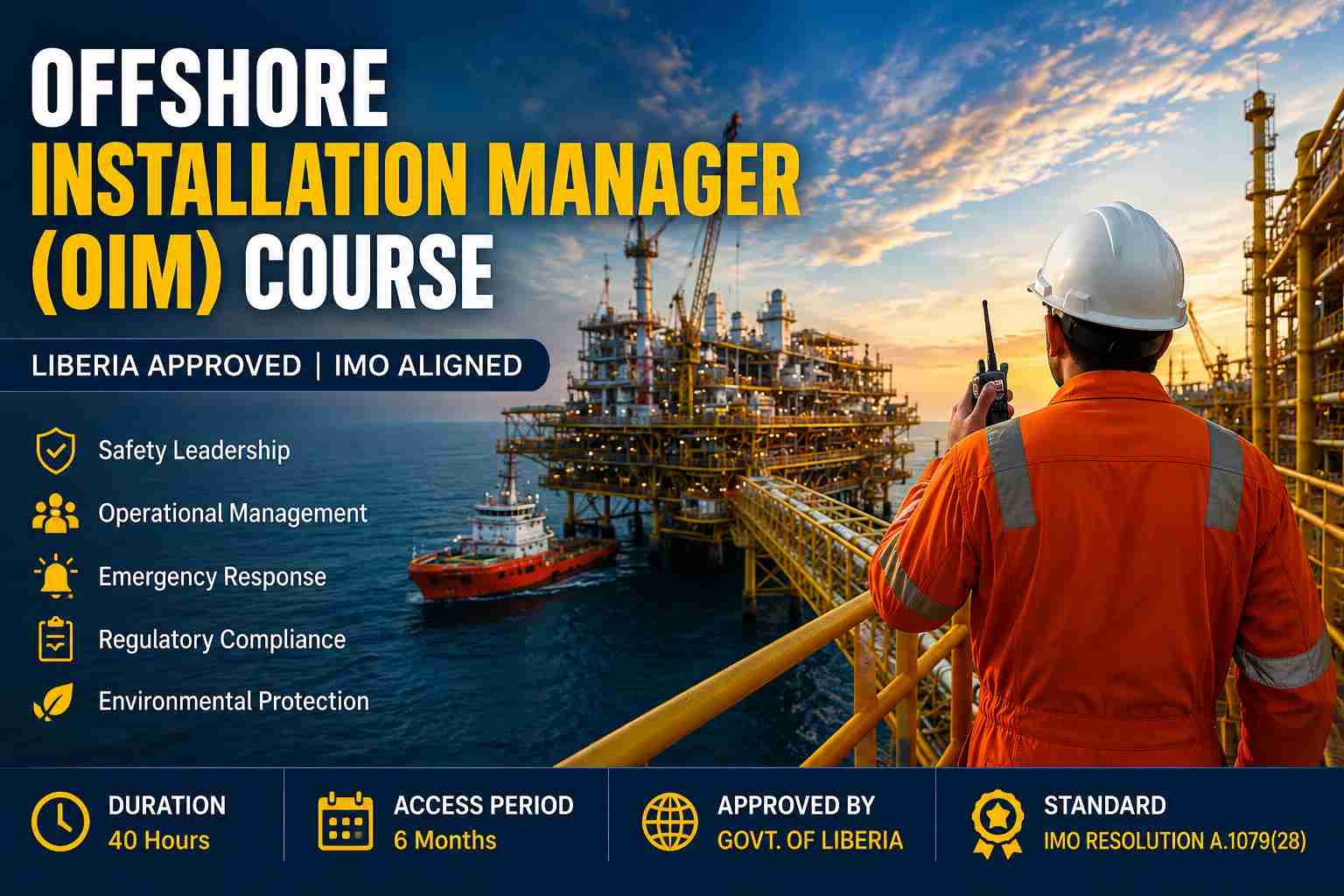
Offshore Installation Manager (OIM) Course: Building Offshore Leaders for Safe Operations
Tue, 26 May 2026
Write a public review