
Created by - Elite Offshore Pvt Ltd
The Ultimate 'Gate-Pass' to the Oil & Gas Industry: IADC RigPass.
IADC RigPass: The Ultimate Gate-Pass to Offshore Careers | Elite Offshore In the competitive world of offshore drilling, having the right credentials makes all the difference. Elite Offshore Pvt Ltd , a leader in maritime and industrial training based in Navi Mumbai, provides the IADC RigPass —the globally recognized "gate-pass" required by major drilling contractors to ensure every worker understands the core safety foundations of a rig. Why IADC RigPass is Non-Negotiable for Newcomers Whether you are a new graduate or an experienced professional moving into the offshore sector, safety orientation is your first priority. Elite Offshore Pvt Ltd's accredited program ensures you meet international standards through a 100% online e-learning platform. One of the most significant advantages of our course is its lifetime validity. Unlike many offshore certifications that require frequent renewals, your IADC RigPass certificate remains a permanent asset to your professional portfolio. What Does the "Gate-Pass" Cover? Our comprehensive e-learning modules are designed for maximum retention, covering critical safety areas including: Hazard Awareness: Identifying potential equipment and environmental risks. Personal Safety: Mastering the use and maintenance of PPE. Emergency Response: Real-world protocols for fire, medical, and blowout incidents. Environmental Stewardship: Adhering to regulations to protect our oceans. Mapping Your Offshore Journey It is important to remember that while the IADC RigPass is your essential safety foundation, it is the first of several steps. To see how this orientation fits alongside survival training like BOSIET, visit our comparison guide: IADC RigPass vs BOSIET – What’s the Difference? . We also invite you to join our growing professional community on our new official LinkedIn page for regular industry updates. Ready to Start? Take the first step toward a safer and more successful career today. Our training team is available to assist you at every stage of the enrollment process. Click Here to Enroll in IADC RigPass Training Online Contact Elite Offshore Pvt Ltd: Email: training@eliteoffshore.in Phone: +91-22-4970 4933 | +91-80 9747 2277
More detailsPublished - Tue, 16 Apr 2024

Created by - Elite Offshore Pvt Ltd
Elite Offshore Pvt Ltd: Empowering Offshore Professionals with Liberia Govt Approved Training
Elite Offshore Pvt Ltd, based in CBD Belapur in Navi Mumbai, provides essential training for offshore professionals. The institution proudly offers Liberia Government (LISCR) approved courses, including the coveted Offshore Installation Manager (OIM), Barge Master (BM), Ballast Control Operator (BCO), and Maintenance Supervisor (MS) programs. These courses are meticulously designed to equip individuals with the necessary skills and certifications to excel in the offshore industry.A Pathway to Offshore ExcellenceElite Offshore's training programs are not just about learning; they are about preparing individuals for real-world challenges in the maritime industry. The courses are conducted in compliance with the International Maritime Organization (IMO) resolution A.1079(28) adopted on 4th December 2013, ensuring adherence to global standards of excellence.Program Highlights:Offshore Installation Manager (OIM): This program is tailored for individuals aspiring to lead offshore installations with confidence and expertise. Participants learn to manage a Mobile Offshore Unit (MOU) under various operational and emergency scenarios, such as transit, ballasting, jacking, and loss of control situations.Barge Supervisor / Barge Master (BM): Designed for those aiming to master the art of managing and operating barges in offshore environments. The course covers essential topics like barge stability, navigation, cargo handling, and personnel management.Ballast Control Operator (BCO): Focusing on the critical role of controlling the stability and ballasting of offshore structures. Participants are trained to handle ballast system operations, stability calculations, and emergency procedures.Maintenance Supervisor (MS): Equipping individuals with the skills to oversee maintenance activities on offshore installations. The curriculum includes asset integrity management, preventive maintenance, and equipment troubleshooting.Training ModalitiesElite Offshore understands the diverse needs of offshore professionals, offering both offline and online training modes. Participants can choose to attend sessions at the institution's state-of-the-art campus in CBD Belapur or opt for the convenience of online learning, ensuring accessibility and flexibility.Advancing Careers, Ensuring SafetyThe primary objective of Elite Offshore's Liberia Govt approved training is to empower prospective and incumbent MOU OIMs to safely manage offshore units under various operating conditions. The courses simulate real-world scenarios, preparing participants to navigate challenges with confidence and efficiency. It is noteworthy that the BCO course (MOU Stability) and at least IWCF Well Control Level 2 certification are prerequisites for the OIM position, ensuring comprehensive readiness for the role.How to EnrollInterested individuals can visit the official website at https://eliteoffshore.in to explore detailed course descriptions, schedules, and registration procedures. For those seeking personalized guidance or further information, the Elite Offshore training team is readily available via email at training@eliteoffshore.in or by calling +91-22-4970 4933 or +91-80 9747 2277.ConclusionThrough Liberia Govt approved training programs, participants not only acquire essential skills and certifications but also gain the confidence to tackle the complexities of offshore operations. Certificate of Competency issued by Liberian Govt may be obtained by taking on-line exam and applying to Liberia Govt post passing the exam and fulfilling necessary certification requirements. For those interested, Elite Offshore Pvt Ltd welcomes you to explore its world-class training programs. Visit https://eliteoffshore.in today and chart your course towards a prosperous offshore career.
More detailsPublished - Tue, 16 Apr 2024

Created by - Elite Offshore Pvt Ltd
VHF Marine Radio Short Range Course by Elite Offshore
VHF Marine Radio Short Range Course by Elite OffshoreIn the dynamic and demanding environments of the offshore and marine industries, effective communication is crucial for ensuring safety and operational efficiency. The VHF Marine Radio Short Range Course offered by Elite Offshore Pvt Ltd is specifically designed for individuals working in these industries who do not need to comply with the GMDSS requirements but still require robust communication skills. This comprehensive training program adheres to the International Maritime Organization (IMO) guidelines, ensuring participants gain essential knowledge and practical skills for utilizing VHF marine radios effectively. Course OverviewThe VHF Marine Radio Short Range Course is a thorough program that covers the fundamental principles, operational procedures, and regulatory aspects of VHF marine radio communications. The course is structured to provide a blend of theoretical knowledge and practical hands-on experience, ensuring that participants are well-prepared to handle real-world communication scenarios.General Principles and Basic Features:- Maritime Mobile Service: - Overview: Introduction to the maritime mobile service, including its relevance to vessels not subject to compulsory fit under the SOLAS convention. - Types of Communication: Detailed exploration of the different types of communication within the maritime mobile service. - Types of Stations: Understanding the various types of stations involved in the maritime mobile service. - Radio Frequencies and Channels: Elementary knowledge of radio frequencies and channels appropriate to the VHF maritime mobile band. - Functionality of Ship Station Equipment: Overview of the basic features and functionalities of ship station equipment.Types of Communication in Maritime Mobile Service:- Voice Communication: Utilizing VHF radios for voice communication, including protocols and etiquette.- Digital Communication: Introduction to digital communication methods used in the maritime mobile service.Radiotelephone Channels:- Overview and Usage: Detailed information on radiotelephone channels, including their specific purposes and how to use them effectively.- Channel Allocation: Understanding the allocation of channels for different communication needs.Basic Controls and Usage:- Hands-on Training: Practical exercises focusing on the basic controls and proper usage of VHF radiotelephone equipment.- Troubleshooting: Basic troubleshooting techniques for common issues with VHF radios.Portable Two-Way VHF Radiotelephone Apparatus:- Operation and Maintenance: Detailed instruction on operating and maintaining portable two-way VHF radiotelephone apparatus.- Practical Exercises: Hands-on practice with portable VHF radios to ensure proficiency.Maritime VHF Antennas:- Types and Installation: Overview of different types of maritime VHF antennas and their installation procedures.- Maintenance: Best practices for maintaining VHF antennas to ensure optimal performance.Purpose and Use of DSC Facilities:- Introduction to DSC: Understanding the purpose and functionality of Digital Selective Calling (DSC) facilities.- Types of Calls: Different types of DSC calls, including routine, safety, and distress calls.- MMSI System: Detailed explanation of the Maritime Mobile Service Identity (MMSI) number system and its importance.- Call Categorization and Priority: Understanding the categorization and priority of calls, such as Mayday, Pan-Pan, and Securite.- Call Telecommand and Traffic Information: Procedures for call telecommand and managing traffic information.- VHF DSC Facilities and Usage: Hands-on training on using VHF DSC facilities.Protection of Distress Frequencies:- Regulations and Best Practices: Guidelines for protecting distress frequencies to ensure they are available for emergency use.- Practical Exercises: Simulated scenarios to practice maintaining clear distress frequencies.Maritime Safety Information:- Receiving and Interpreting: How to receive and interpret maritime safety information via VHF radio.- Alerting and Locating Signals: Overview of alerting and locating signals, including their practical applications.Emergency Position Indicating Radio Beacons (EPIRBs):- Function and Usage: Understanding the function and proper usage of EPIRBs in emergency situations.- Testing and Maintenance: Procedures for testing and maintaining EPIRBs to ensure readiness.Search and Rescue Radar Transponder (SART):- Purpose and Operation: Detailed instruction on the purpose and operation of SART devices.- Practical Training: Hands-on exercises using SART to simulate real-life search and rescue scenarios.Exchanging Safety Communications:- Safety of Life at Sea: Ability to exchange communications relevant to the safety of life at sea.- Distress Communications: Understanding and practicing distress communication protocols.- Urgency and Safety Communications: Procedures for handling urgency and safety communications effectively.Reception of Maritime Safety Information:- Using VHF Radiotelephone: How to receive and process maritime safety information via VHF radiotelephone.IMO Standard Marine Navigational Vocabulary:- Communication Clarity: Awareness of the existence and use of the IMO Standard Marine Navigational Vocabulary to ensure clear communication.- International Phonetic Alphabet: Use of the international phonetic alphabet for accurate and clear communication.Regulations and Obligatory Procedures:- Compliance: Ensuring compliance with regulations, obligatory procedures, and best practices.- Radiotelephone Call Procedures: Practical and theoretical knowledge of radiotelephone call procedures.- Traffic Charges: Understanding traffic charges associated with VHF communication.- Practical Traffic Routines: Hands-on practice with practical traffic routines to build confidence and proficiency.Participants in the VHF Marine Radio Short Range Course will gain:- Enhanced Communication Skills: Improved ability to handle VHF marine radio communications efficiently and effectively.- Safety and Compliance: Knowledge and skills to ensure compliance with IMO guidelines and enhance safety at sea.- Practical Experience: Hands-on experience with VHF radio equipment, ensuring readiness for real-world scenarios.- Confidence in Emergency Situations: Preparedness to manage distress, urgency, and safety communications confidently.The VHF Marine Radio Short Range Course by Elite Offshore is an essential training program for maritime professionals in the offshore and onshore oil and gas industries, as well as the broader marine industry. By covering a comprehensive range of topics, from basic principles to advanced operational procedures, the course ensures that participants are well-equipped to handle all aspects of VHF marine radio communication. This training not only enhances individual skills but also contributes to the overall safety and efficiency of maritime operations.For any further information, please contact training@eliteoffshore.in or call +91-22-4970 4933 or +91-80 9747 2277. You may visit our website https://eliteoffshore.in (for all courses) or https://ecademy.eliteoffshore.in (for e-learning courses).Visit the training centre at below address:Elite Offshore Pvt. Ltd.G- 5, Platform Level, Tower-3, Belapur Railway Station Complex, Sector-11, C.B.D. Belapur, Navi Mumbai-400614.Contact No. +91-80-9747-2277, +91-22-4970-4933, +91-22-4600-3839Email: info@eliteoffshore.in or training@eliteoffshore.in
More detailsPublished - Mon, 03 Jun 2024

Created by - Elite Offshore Pvt Ltd
The Importance of Fire Fighting and Rescue Training for Everyone
Fire—it's a force of nature that has both the power to sustain life and the potential to destroy it. In our modern world, where fires can break out anywhere, from homes to workplaces, the importance of fire fighting and rescue training cannot be overstated. In this article, we'll understand the various types of fires, fire extinguishing mediums, safety precautions, and why fire training is essential for everyone's safety.Understanding the Nature of Fire:Before we explore the intricacies of fire fighting and rescue training, it's crucial to understand the nature of fire itself. Fire is the result of a chemical reaction known as combustion, which occurs when a fuel source combines with oxygen and heat. This reaction releases energy in the form of heat and light, sustaining the fire and allowing it to spread if not controlled.There are several types of fires, each classified based on the type of fuel involved. These classifications include:1. Class A Fires: These fires involve ordinary combustible materials such as wood, paper, cloth, and plastics. Class A fires are among the most common and can occur in homes, offices, and industrial settings.2. Class B Fires: Class B fires involve flammable liquids and gases such as gasoline, oil, propane, and solvents. These fires can be particularly dangerous due to the volatility of the fuel involved.3. Class C Fires: Class C fires involve energized electrical equipment, such as electrical panels, wiring, and appliances. Attempting to extinguish a Class C fire with water can pose a significant risk of electrocution.4. Class D Fires: Class D fires involve combustible metals, such as magnesium, titanium, and sodium. These fires are relatively rare but can occur in industrial settings where metal powders or shavings are present.5. Class K Fires: Class K fires involve cooking oils and fats, typically found in commercial kitchens and restaurants. These fires can be extremely hot and difficult to extinguish using traditional methods.Fire Extinguishing Mediums:Effective fire fighting requires the use of appropriate extinguishing mediums tailored to the type of fire involved. Here are some common fire extinguishing agents and their applications:1. Water: Water is the most commonly used extinguishing agent for Class A fires, as it cools the fuel and removes heat from the fire. However, water should not be used on Class B, C, or D fires, as it can spread flammable liquids, conduct electricity, or react violently with certain metals.2. Foam: Foam extinguishers are effective for Class A and B fires, as the foam creates a barrier between the fuel and the oxygen, smothering the fire. Foam extinguishers are commonly used in industrial settings and areas where flammable liquids are present.3. Carbon Dioxide (CO2): CO2 extinguishers are suitable for Class B and C fires, as the CO2 displaces oxygen, suffocating the fire. CO2 extinguishers are non-conductive and leave no residue, making them ideal for use on electrical equipment.4. Dry Chemical Powder: Dry chemical powder extinguishers are versatile and effective for Class A, B, and C fires. The powder interrupts the chemical reaction of the fire and forms a barrier that prevents reignition. However, care should be taken when using dry chemical powder near sensitive equipment or electronics, as the powder can be corrosive.5. Wet Chemical: Wet chemical extinguishers are specifically designed for Class K fires involving cooking oils and fats. The wet chemical forms a soapy layer on the surface of the fuel, preventing it from reigniting.Safety Precautions and Training:While fire extinguishers and other firefighting equipment are valuable tools for combating fires, proper training is essential to ensure their effective use. Fire fighting and rescue training provide individuals with the knowledge, skills, and confidence to respond quickly and safely in the event of a fire emergency.Training programs cover a wide range of topics, including:1. Fire Prevention: Understanding the causes of fires and implementing preventive measures to reduce the risk of fire incidents.2. Fire Detection and Alarm Systems: Recognizing the signs of a fire and responding promptly to activate alarm systems and alert others to evacuate.3. Evacuation Procedures: Knowing the designated evacuation routes, assembly points, and procedures for safely evacuating occupants from a building or area.4. Fire Extinguisher Use: Learning how to select the appropriate extinguishing agent for the type of fire, operate fire extinguishers correctly, and maintain safe distances from the fire.5. Emergency Communication: Effectively communicating with emergency responders, colleagues, and occupants during a fire emergency to coordinate evacuation and rescue efforts.6. First Aid and Rescue Techniques: Providing basic first aid to individuals injured during a fire emergency and performing rescue operations to evacuate trapped or injured occupants.Elite Offshore Pvt Ltd: A Commitment to Fire Fighting and Rescue TrainingAt Elite Offshore Pvt Ltd, we understand the critical importance of fire safety and rescue training in safeguarding lives and property. Through our comprehensive training programs, we equip individuals with the knowledge, skills, and confidence to respond effectively to fire incidents and emergencies.Our training modules cover a wide range of topics, including fire prevention, fire extinguisher usage, evacuation procedures, and first aid techniques. We utilize state-of-the-art facilities and experienced instructors to deliver hands-on training that simulates real-world scenarios, ensuring participants are well-prepared to handle emergencies with competence and composure.Moreover, our commitment to continuous improvement drives us to stay abreast of the latest developments in fire safety technology and best practices. We regularly update our training programs to incorporate industry advancements and regulatory changes, ensuring our participants receive the most relevant and up-to-date instruction.Through our unwavering dedication to excellence in fire fighting and rescue training, Elite Offshore Pvt Ltd is proud to contribute to the safety and well-being of individuals and communities across India. Together, let's prioritize fire safety education and preparedness to prevent disasters and protect what matters most—our lives. Get in touch with us on training@eliteoffshore.in.Fire fighting and rescue training should be accessible to everyone, regardless of their occupation or level of experience. Employers, educational institutions, community organizations, and government agencies play a vital role in providing and promoting fire safety training initiatives.Conclusion:Fire fighting and rescue training are essential components of fire safety preparedness for individuals and organizations alike. By understanding the nature of fire, the different types of fires, and the appropriate extinguishing agents, individuals can effectively respond to fire emergencies and minimize the risk of injury or property damage.Moreover, fire safety training instills a culture of awareness, responsibility, and preparedness, empowering individuals to take proactive measures to prevent fires and protect themselves and others. As the saying goes, "prevention is better than cure," and investing in fire safety training is an investment in the safety and well-being of our communities.Stay safe, stay prepared, and never underestimate the importance of fire fighting and rescue training.
More detailsPublished - Wed, 05 Jun 2024

Created by - Elite Offshore Pvt Ltd
Liberia approved Barge Supervisor (BS) / Barge Master Course by Elite Offshore
Elite Offshore, a renowned name in maritime training and certification, conducts the Liberia Approved Barge Supervisor/Barge Master Course. This offering aims to equip aspiring professionals with the skills and knowledge needed to excel in the dynamic world of offshore operations. Designed to meet the rigorous standards set by the Liberian Registry, one of the world's largest and most respected maritime flags, this course covers a comprehensive range of topics essential for those seeking roles as Barge Supervisors or Barge Masters. From safety protocols to operational procedures, participants will delve into every aspect of managing and overseeing barge activities with precision and expertise. One of the standout features of Elite Offshore's program is its practical approach. Understanding the complexities of offshore environments, the course emphasizes hands-on learning and real-world experience sharing. This ensures that participants not only grasp theoretical concepts but also develop the practical skills necessary to thrive in demanding offshore settings. Moreover, Elite Offshore prides itself on its team of experienced instructors who bring a wealth of industry knowledge to the classroom. With their guidance, students gain insights from seasoned professionals, learning from their firsthand experiences and benefiting from their invaluable advice. The significance of obtaining Liberia's approval for this course cannot be overstated. Liberia's reputation as a leading maritime authority underscores the course's credibility and relevance on a global scale. Graduates can be confident that their certification carries weight and is recognized by industry stakeholders worldwide, opening doors to a multitude of career opportunities. In addition to meeting international standards, Elite Offshore is committed to providing flexible training solutions, which it does with other Liberia approved courses e.g. Offshore Installation Manager (OIM), Ballast Control Operator (BCO) and Maintenance Supervisor (MS). Whether through in-person sessions or online modules, the organization ensures accessibility for students from diverse backgrounds and geographic locations. This commitment to inclusivity reflects Elite Offshore's dedication to empowering individuals to pursue their maritime ambitions without constraints. As the offshore industry continues to evolve, the demand for skilled professionals capable of navigating its challenges remains constant. With the Liberia Approved Barge Supervisor/Barge Master Course, Elite Offshore not only meets this demand but also sets a new standard for excellence in maritime training. By equipping individuals with the expertise and credentials needed to succeed, Elite Offshore is shaping the future of offshore operations, one student at a time. Elite Offshore's introduction of the Liberia Approved Barge Supervisor/Barge Master Course marks a significant milestone in maritime education. With its comprehensive curriculum, practical approach, and global recognition, the course stands as a testament to Elite Offshore's commitment to excellence and innovation in the field of offshore training. For those aspiring to excel in the dynamic world of offshore operations, this course is undoubtedly a pathway to success.
More detailsPublished - Wed, 05 Jun 2024

Created by - Elite Offshore Pvt Ltd
Evaluating the effectiveness of a training programme
Evaluating the effectiveness of a training programme is vital to ensure that it's delivering the desired outcomes and adding value to both learners and the organization. Most of the training programs conducted at at Elite Offshore Pvt Ltd, e.g. BOSIET, HUET, HLO, HDA, WAH, CSE, AGT, Rigger, OCO, Mobile Crane Operator etc incorporate practical exercises and assessment on the training equipment. Here the participants are closely monitored and evaluated by the trainer.At Elite Offshore Pvt Ltd, we employ a comprehensive approach to evaluate the effectiveness of our training programs. Here's how we do it:1. Pre-Training Assessment: Before the training begins, we conduct assessments to understand the baseline knowledge and skills of participants. This helps us tailor the training content to the specific needs of the learners.2. Learning Outcomes Assessment: During and after the training sessions, we assess whether participants have achieved the intended learning outcomes. This may involve quizzes, tests, or practical exercises to measure their understanding and proficiency in applying the newly acquired knowledge and skills.3. Feedback from Participants: We value the feedback of our participants and regularly collect their input through surveys, interviews, or feedback forms. This allows us to understand their perceptions of the training experience, what they found valuable, and areas for improvement.4. Engagement and Participation Levels: We monitor the level of engagement and participation during training sessions to ensure that participants are actively involved and interested in the material. Higher levels of engagement often indicate a more effective learning experience.5. Trainer Feedback: We seek feedback from trainers and instructors to understand their perspectives on the impact of the training on individual participants. This helps us identify any organizational benefits or improvements resulting from the training.By utilizing these evaluation methods, we continuously assess and improve the effectiveness of our training programme at Elite Offshore Pvt Ltd. Our goal is to ensure that our training programs meet the needs of our participants and contribute to their professional development and the success of their organizations.Post training, for further evaluation, the organisations may carry out: On-the-Job performance evaluationAssessment of retention and transfer of knowledgeMonitoring of engagement and participation levels Seeking managerial and organizational feedbackto further assess and evaluate their employees and the effectiveness of the training imparted.For any further information, please contact training@eliteoffshore.in or call +91-22-4970 4933 or +91-80 9747 2277. You may visit our website Elite Offshore Pvt Ltd (for all courses) or Ecademy The E-Learning Academy (for e-learning courses).Visit our training centre at below address:Elite Offshore Pvt. Ltd.G- 5, Platform Level, Tower-3, Belapur Railway Station Complex, Sector-11, C.B.D. Belapur, Navi Mumbai-400614.Contact No. +91-80-9747-2277, +91-22-4970-4933, +91-22-4600-3839Email: info@eliteoffshore.in or training@eliteoffshore.in
More detailsPublished - Thu, 06 Jun 2024

Created by - Elite Offshore Pvt Ltd
Liberia approved Ballast Control Operator (BCO) and MOU Stability training by Elite Offshore Pvt Ltd
https://youtu.be/En5iuiSjhVgLiberia approved Ballast Control Operator (BCO) and MOU Stability trainingIn the offshore operations, safety and expertise are paramount. Recognising this need, Elite Offshore Pvt Ltd started conducting many safety and skill courses as per demand of the offshore industry. The courses include BOSIET, HUET, H2S, HLO, HLA, HDA, Offshore Crane Operator, HERTM, HERTL etc. These courses are a general requirement of the industry. Ballast Control Operator (BCO) and MOU Stability training by Liberia is a course meant for the marine crew of non-propelled barges. This course trains people on the requirements of Ballast operations to maintain stability during normal or emergency operations. The course is a requirement by IMO resolution A-28-Res.1079. This specialized program is tailored to equip individuals with the crucial skills and knowledge required for effective ballast management and the maintenance of stability in Mobile Offshore Units (MOUs). The course offers an in-depth exploration of ballast system operations, stability principles, and emergency response procedures. Through a blend of theoretical instruction and practical training, participants learn to manage ballast operations efficiently, ensuring the stability and safety of vessels in various offshore conditions. Topics covered include the dynamics of ballast water, the impact on vessel stability, and the application of stability software tools. the training program covers: 1. Ballast Control Operations: Participants dive deep into the intricacies of ballast control, learning about principles, techniques, and best practices for maintaining vessel stability. Topics covered include ballast system components, ballasting and de-ballasting procedures, and emergency response protocols. 2. MOU Stability: Understanding the stability of Mobile Offshore Units is crucial for safe and efficient offshore operations. The training delves into MOU stability principles, stability calculations, and stability criteria compliance, equipping participants with the knowledge to ensure stability in various operational scenarios. 3. Regulatory Compliance: Elite Offshore's training program aligns with Liberia's regulatory requirements, ensuring that participants receive instruction that meets international standards and industry expectations. This compliance underscores the program's credibility and relevance in the maritime sector. Advantages of Elite Offshore's BCO and MOU Stability training: - Industry Expertise: Elite Offshore boasts a team of experienced instructors with extensive maritime knowledge, providing participants with invaluable insights and practical guidance. - Hands-On Learning: The training incorporates hands-on exercises and simulations, allowing participants to apply theoretical concepts in real-world scenarios, enhancing understanding and skill proficiency. - Career Advancement: Completion of Elite Offshore's accredited training program opens doors to career advancement opportunities in the maritime industry, enabling professionals to excel in their roles and contribute to safe offshore operations. - Global Recognition: With Liberia's approval, the training program has international recognition that increases the participant's marketability in the global maritime job market. Elite Offshore's Ballast Control Operator (BCO) and MOU Stability training offer a comprehensive pathway for professionals seeking to enhance their expertise and advance their careers in the maritime sector. With Liberia's stamp of approval, participants can trust in Elite Offshore's commitment to delivering top-tier training that meets the highest industry standards. For any further information, please contact training@eliteoffshore.in or call +91-22-4970 4933 or +91-80 9747 2277. You may visit our website https://eliteoffshore.in (for all courses) or https://ecademy.eliteoffshore.in (for e-learning courses).
More detailsPublished - Sat, 08 Jun 2024

Created by - Elite Offshore Pvt Ltd
Crane Operator: A rewarding and fulfilling career
A career as a crane operator can be quite lucrative and rewarding. However, this being a skill, depends on individual interest. Here are some factors to consider:1. Crane operators are often in demand, especially in offshore, construction, shipping, and manufacturing industries. As infrastructure projects increase and construction continues to expand globally, the need for skilled crane operators remains steady.2. Crane operators can earn a good income. Salaries vary based on factors such as location, experience, and type of crane operated, but generally, they can earn above-average wages.3. Operating a crane requires specialized skills and training. As you gain experience and expertise, you may have opportunities to operate more advanced equipment or move into supervisory roles. The training for offshore Offshore Crane Operators are in 3 stages. It takes time to become an Offshore Crane Operator Stage 3 operator. Elite Offshore Pvt Ltd, based in Navi Mumbai, provides training and certification of crane operators for Mobile RT Crane, Offshore Crane, EOT Crane, Hydra & Farana etc. They also provide training and certification for Crane Inspectors. You may get in touch with them for more details..4. As long as construction and related industries exist, crane operators will be needed. This provides a certain level of job stability, although economic fluctuations can affect demand to some extent.5. Crane operators often work outdoors and in various weather conditions. They may also work at heights, which can be challenging for some individuals but exciting for others. The offshore crane operators work on offshore rigs. There are floating cranes with capacity in thousands of tonnes.6. Operating heavy machinery like cranes comes with inherent risks. Safety protocols must be followed diligently to prevent accidents and injuries.Thus a career as a crane operator can be fulfilling for those who enjoy working with heavy machinery, have a good sense of spatial awareness, and are committed to safety. It offers a combination of job stability, good pay, and opportunities for advancement for those willing to invest in training and gaining experience.
More detailsPublished - Wed, 12 Jun 2024

Created by - Elite Offshore Pvt Ltd
Fire Extinguisher Checklist: Key components
Having a checklist for fire extinguisher checks is crucial to ensure that no item to check is missed out during the course of checking the extinguishers. The fire extinguishers should always be in ready condition for use when required. To ensure this, it is essential that each aspect of the extinguisher's functionality and readiness is thoroughly examined.Following are the key components of a checklist for monthly, annual, and periodical checks on a fire extinguisher. 1. Visual Inspection: - Check for any physical damage, such as dents, corrosion, or leaks. - Ensure the pressure gauge or indicator is in the proper range. - Verify that the safety pin and tamper seal are intact.2. Accessibility: - Confirm that the fire extinguisher is easily accessible and not obstructed by any objects. - Ensure that the extinguisher's location is clearly marked with appropriate signage.3. Operating Instructions: - Check that the operating instructions and labels are legible and facing outward. - Ensure that users understand how to operate the extinguisher.4. Pressure: - Verify that the pressure gauge is within the recommended range. - For pressurized extinguishers, check for any signs of leakage.5. Seals and Labels: - Confirm that all seals and labels are intact and not damaged. - Ensure that the inspection tag is up-to-date.6. Nozzle and Hose: - Inspect the nozzle and hose for any blockages, cracks, or other damage. - Ensure that the hose is securely attached to the extinguisher.7. Agent: - Check the agent for any signs of clumping or settling, which may affect discharge effectiveness. - Verify that the agent is appropriate for the types of fires it's intended to extinguish.8. Functionality: - Test the operation of the extinguisher (if allowed) by discharging a small amount of agent to ensure it functions correctly. - Ensure that the discharge lever or handle operates smoothly.9. Maintenance Records: - Review the extinguisher's maintenance records to ensure that all required inspections and servicing have been completed.10. Training: - Confirm that individuals responsible for using the extinguisher are adequately trained in its operation and maintenance.These key points may be included in the checklist. Depending on type of extinguisher and its manufacturer, inspections may be required on monthly, annual or periodical basis. Check manufacturer instructions. These checks are important to ensure that fire extinguishers are properly maintained and ready for use in case of emergency.This topic is adequately covered in detail during Advance Fire Fighting training conducted at Elite Offshore Pvt LtdFor further information, please contact training@eliteoffshore.in or call +91-22-4970 4933 or +91-80 9747 2277. You may visit our website Elite Offshore Pvt Ltd (for all courses) or Ecademy The E-Learning Academy (for e-learning courses).Visit our training centre at below address:Elite Offshore Pvt. Ltd.G- 5, Platform Level, Tower-3, Belapur Railway Station Complex, Sector-11, C.B.D. Belapur, Navi Mumbai-400614.Contact No. +91-80-9747-2277, +91-22-4970-4933, +91-22-4600-3839Email: info@eliteoffshore.in or training@eliteoffshore.in
More detailsPublished - Wed, 12 Jun 2024
Search
Popular categories
OSHA & Industrial Safety Courses
19Liberia Approved Rig Courses
7Marine and Offshore
4Offshore Oil and Gas Rig Courses
3IADC Approved - E learning
2Port & Marine Courses
2Latest blogs
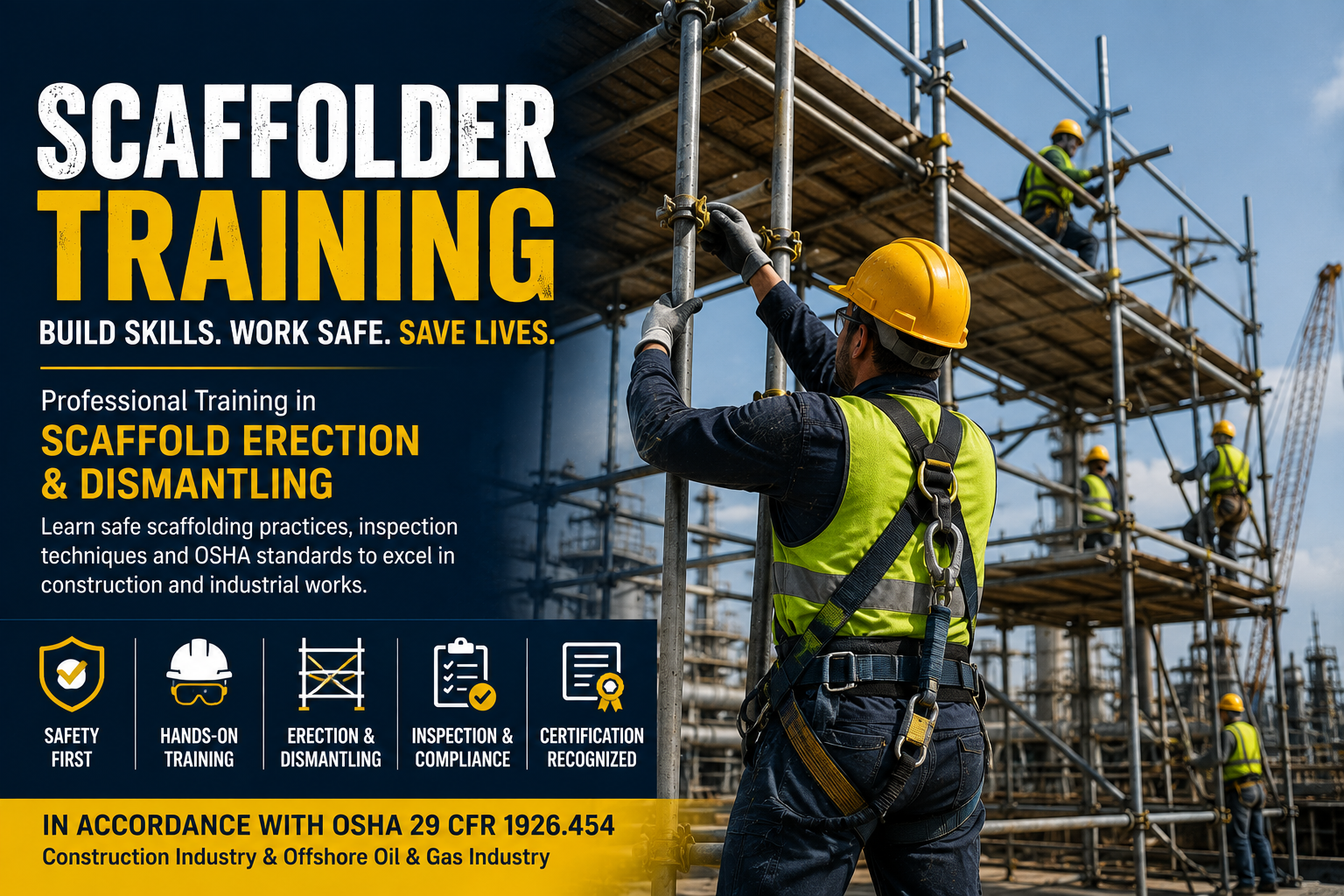
Why Scaffolder Training Is Essential for Safe Construction and Industrial Work
7 Days Ago
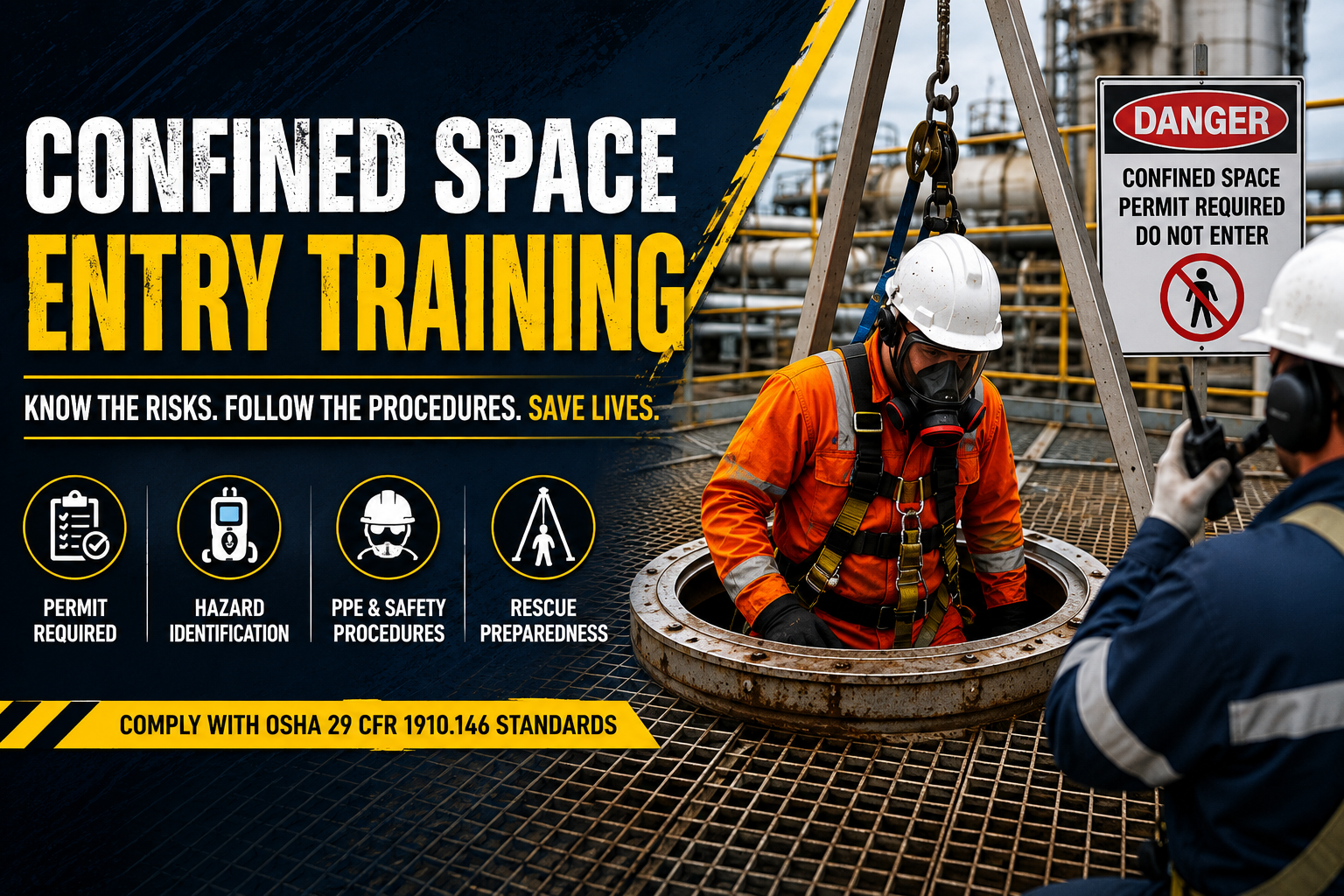
Confined Space Entry: Essential Safety Practices Every Worker Should Know
7 Days Ago
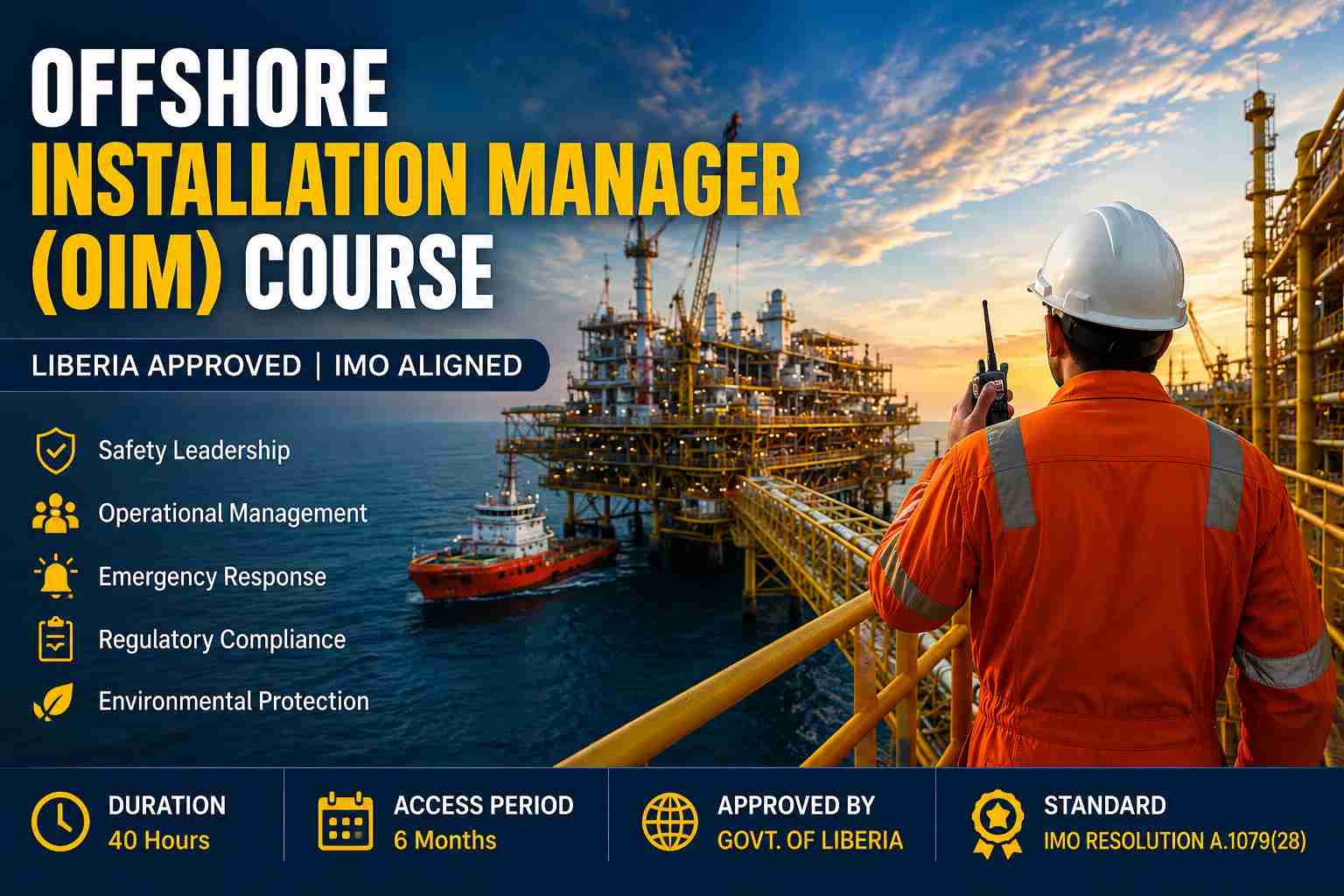
Offshore Installation Manager (OIM) Course: Building Offshore Leaders for Safe Operations
Tue, 26 May 2026
Write a public review