
Created by - Elite Offshore Pvt Ltd
Elite Offshore Pvt Ltd: Empowering Offshore Professionals with Liberia Govt Approved Training
Elite Offshore Pvt Ltd, based in CBD Belapur in Navi Mumbai, provides essential training for offshore professionals. The institution proudly offers Liberia Government (LISCR) approved courses, including the coveted Offshore Installation Manager (OIM), Barge Master (BM), Ballast Control Operator (BCO), and Maintenance Supervisor (MS) programs. These courses are meticulously designed to equip individuals with the necessary skills and certifications to excel in the offshore industry.A Pathway to Offshore ExcellenceElite Offshore's training programs are not just about learning; they are about preparing individuals for real-world challenges in the maritime industry. The courses are conducted in compliance with the International Maritime Organization (IMO) resolution A.1079(28) adopted on 4th December 2013, ensuring adherence to global standards of excellence.Program Highlights:Offshore Installation Manager (OIM): This program is tailored for individuals aspiring to lead offshore installations with confidence and expertise. Participants learn to manage a Mobile Offshore Unit (MOU) under various operational and emergency scenarios, such as transit, ballasting, jacking, and loss of control situations.Barge Supervisor / Barge Master (BM): Designed for those aiming to master the art of managing and operating barges in offshore environments. The course covers essential topics like barge stability, navigation, cargo handling, and personnel management.Ballast Control Operator (BCO): Focusing on the critical role of controlling the stability and ballasting of offshore structures. Participants are trained to handle ballast system operations, stability calculations, and emergency procedures.Maintenance Supervisor (MS): Equipping individuals with the skills to oversee maintenance activities on offshore installations. The curriculum includes asset integrity management, preventive maintenance, and equipment troubleshooting.Training ModalitiesElite Offshore understands the diverse needs of offshore professionals, offering both offline and online training modes. Participants can choose to attend sessions at the institution's state-of-the-art campus in CBD Belapur or opt for the convenience of online learning, ensuring accessibility and flexibility.Advancing Careers, Ensuring SafetyThe primary objective of Elite Offshore's Liberia Govt approved training is to empower prospective and incumbent MOU OIMs to safely manage offshore units under various operating conditions. The courses simulate real-world scenarios, preparing participants to navigate challenges with confidence and efficiency. It is noteworthy that the BCO course (MOU Stability) and at least IWCF Well Control Level 2 certification are prerequisites for the OIM position, ensuring comprehensive readiness for the role.How to EnrollInterested individuals can visit the official website at https://eliteoffshore.in to explore detailed course descriptions, schedules, and registration procedures. For those seeking personalized guidance or further information, the Elite Offshore training team is readily available via email at training@eliteoffshore.in or by calling +91-22-4970 4933 or +91-80 9747 2277.ConclusionThrough Liberia Govt approved training programs, participants not only acquire essential skills and certifications but also gain the confidence to tackle the complexities of offshore operations. Certificate of Competency issued by Liberian Govt may be obtained by taking on-line exam and applying to Liberia Govt post passing the exam and fulfilling necessary certification requirements. For those interested, Elite Offshore Pvt Ltd welcomes you to explore its world-class training programs. Visit https://eliteoffshore.in today and chart your course towards a prosperous offshore career.
More detailsPublished - Tue, 16 Apr 2024

Created by - Elite Offshore Pvt Ltd
Liberia approved Barge Supervisor (BS) / Barge Master Course by Elite Offshore
Elite Offshore, a renowned name in maritime training and certification, conducts the Liberia Approved Barge Supervisor/Barge Master Course. This offering aims to equip aspiring professionals with the skills and knowledge needed to excel in the dynamic world of offshore operations. Designed to meet the rigorous standards set by the Liberian Registry, one of the world's largest and most respected maritime flags, this course covers a comprehensive range of topics essential for those seeking roles as Barge Supervisors or Barge Masters. From safety protocols to operational procedures, participants will delve into every aspect of managing and overseeing barge activities with precision and expertise. One of the standout features of Elite Offshore's program is its practical approach. Understanding the complexities of offshore environments, the course emphasizes hands-on learning and real-world experience sharing. This ensures that participants not only grasp theoretical concepts but also develop the practical skills necessary to thrive in demanding offshore settings. Moreover, Elite Offshore prides itself on its team of experienced instructors who bring a wealth of industry knowledge to the classroom. With their guidance, students gain insights from seasoned professionals, learning from their firsthand experiences and benefiting from their invaluable advice. The significance of obtaining Liberia's approval for this course cannot be overstated. Liberia's reputation as a leading maritime authority underscores the course's credibility and relevance on a global scale. Graduates can be confident that their certification carries weight and is recognized by industry stakeholders worldwide, opening doors to a multitude of career opportunities. In addition to meeting international standards, Elite Offshore is committed to providing flexible training solutions, which it does with other Liberia approved courses e.g. Offshore Installation Manager (OIM), Ballast Control Operator (BCO) and Maintenance Supervisor (MS). Whether through in-person sessions or online modules, the organization ensures accessibility for students from diverse backgrounds and geographic locations. This commitment to inclusivity reflects Elite Offshore's dedication to empowering individuals to pursue their maritime ambitions without constraints. As the offshore industry continues to evolve, the demand for skilled professionals capable of navigating its challenges remains constant. With the Liberia Approved Barge Supervisor/Barge Master Course, Elite Offshore not only meets this demand but also sets a new standard for excellence in maritime training. By equipping individuals with the expertise and credentials needed to succeed, Elite Offshore is shaping the future of offshore operations, one student at a time. Elite Offshore's introduction of the Liberia Approved Barge Supervisor/Barge Master Course marks a significant milestone in maritime education. With its comprehensive curriculum, practical approach, and global recognition, the course stands as a testament to Elite Offshore's commitment to excellence and innovation in the field of offshore training. For those aspiring to excel in the dynamic world of offshore operations, this course is undoubtedly a pathway to success.
More detailsPublished - Wed, 05 Jun 2024

Created by - Elite Offshore Pvt Ltd
Enhancing Expertise: The Liberia Approved Maintenance Supervisor/Chief Mechanic Course at Elite Offshore
Elite Offshore conducts comprehensive training program on the Liberia flag (LISCR) approved Maintenance Supervisor / Chief Mechanic Course. Maintenance Supervisor course is as per IMO Resolution A.1079(28) adopted on 4th Dec 2013. This course is applicable for non propulsion vessel such as Construction, Pipe-lay and Accommodation barges; Semisub and Jackup drilling units etc which use anchor to stay in position. Tailored to meet the evolving demands of the offshore industry, this course equips participants with the knowledge and skills necessary to excel in their roles as maintenance supervisors and chief mechanics. Elite Offshore's (https://eliteoffshore.in) commitment to excellence extends beyond its operational endeavors; it extends to nurturing talent and fostering professional growth within the industry. Designed by industry experts and approved by Liberia, a leading maritime authority, this course promises to elevate participants' capabilities to new heights. Course Contents: 1. Fundamentals of Maintenance Supervision: - Understanding the role and responsibilities of a maintenance supervisor. - Effective communication and leadership skills. - Resource allocation and scheduling techniques. 2. Mechanical Systems Overview: - In-depth exploration of mechanical systems commonly found in offshore environments. - Principles of operation, maintenance, and troubleshooting for engines, pumps, compressors, and more. - Safety considerations and best practices when working with mechanical equipment. 3. Hydraulic and Pneumatic Systems: - Comprehensive study of hydraulic and pneumatic systems and their components. - Hands-on training in system design, maintenance, and repair. - Practical exercises to reinforce learning and develop proficiency. 4. Electrical Systems and Instrumentation: - Basics of electrical systems and instrumentation in offshore facilities. - Diagnosis and troubleshooting of electrical faults. - Safety protocols for working with electrical equipment in hazardous environments. 5. Preventive Maintenance Strategies: - Importance of preventive maintenance in ensuring equipment reliability and longevity. - Development and implementation of preventive maintenance plans. - Use of advanced tools and technologies for condition monitoring and predictive maintenance. 6. Emergency Response and Safety Procedures: - Preparation for emergency situations, including fire, gas leaks, and equipment failures. - Role-specific responsibilities during emergencies. - Simulation exercises and drills to simulate real-world scenarios and enhance response capabilities. 7. Regulatory Compliance and Documentation: - Familiarization with relevant regulations and standards governing offshore maintenance operations. - Documentation requirements for maintenance activities, inspections, and audits. - Importance of compliance in ensuring safety, environmental protection, and regulatory adherence. 8. Soft Skills Development: - Effective communication and interpersonal skills. - Conflict resolution and problem-solving techniques. - Time management and organizational skills. Advantages of the Course: 1. Industry-Relevant Curriculum: The course content is carefully crafted to address the specific challenges and requirements of maintenance supervision and chief mechanic roles in the offshore industry, crafted as per IMO Resolution A.1079(28) adopted on 4th Dec 2013. 2. Practical Learning Experience: Participants benefit from hands-on training sessions and simulation exercises, allowing them to apply theoretical knowledge in real-world scenarios. 3. Professional Certification: Upon successful completion of the course, participants receive a Liberia-approved certification, validating their expertise and enhancing their career prospects. 4. Career Advancement Opportunities: The acquired skills and certification open doors to career advancement opportunities, including promotions to higher positions and greater responsibilities. 5. Enhanced Safety Awareness: Comprehensive training in emergency response and safety procedures equips participants with the skills and confidence to respond effectively to challenging situations, ensuring the safety of themselves and their colleagues. For any further information, please contact training@eliteoffshore.in or call +91-22-4970 4933 or +91-80 9747 2277. You may visit our website https://eliteoffshore.in (for all courses) or https://ecademy.eliteoffshore.in (for e-learning courses). Visit our training centre at below address: Elite Offshore Pvt. Ltd. G- 5, Platform Level, Tower-3, Belapur Railway Station Complex, Sector-11, C.B.D. Belapur, Navi Mumbai-400614. Contact No. +91-80-9747-2277, +91-22-4970-4933, +91-22-4600-3839 Email: info@eliteoffshore.in or training@eliteoffshore.in
More detailsPublished - Wed, 12 Jun 2024

Created by - Elite Offshore Pvt Ltd
Liberia Flag Approved Offshore Installation Manager (OIM) Training by Elite Offshore
The offshore oil and gas industry is a high-stakes field requiring rigorous training and certification to ensure safety, efficiency, and regulatory compliance. One of the most crucial roles within this industry is that of the Offshore Installation Manager (OIM). The OIM is responsible for the overall management of offshore installations, encompassing everything from safety and operations to crew welfare and emergency response. Elite Offshore, a leading training provider, offers a comprehensive Liberia flag-approved OIM training program designed to meet the highest standards set by the International Maritime Organization (IMO) and other regulatory bodies.Importance of OIM TrainingThe role of an OIM is multifaceted and demanding. Effective training is critical to ensure that OIMs possess the necessary skills and knowledge to manage offshore installations safely and efficiently. The training program by Elite Offshore not only meets regulatory requirements but also provides participants with hands-on experience and real-world scenarios to enhance their learning.Duties and Responsibilities of an OIMThe Offshore Installation Manager holds a pivotal role in the offshore industry. Their duties and responsibilities are diverse, encompassing several critical areas:Safety Management1. Ensuring Safety Compliance: The OIM is responsible for ensuring that all operations comply with safety regulations and standards. This includes regular safety drills, inspections, and adherence to safety protocols.2. Risk Assessment and Mitigation: Conducting risk assessments and implementing measures to mitigate identified risks. The OIM must be proactive in identifying potential hazards and taking steps to prevent accidents.3. Emergency Response Coordination: In the event of an emergency, the OIM coordinates the response, ensuring that all personnel are aware of their roles and responsibilities. This includes managing evacuation procedures and liaising with rescue services.Operational Management1. Overseeing Operations: The OIM oversees all operations on the installation, ensuring that they are carried out efficiently and safely. This includes drilling, production, and maintenance activities.2. Resource Management: Managing resources, including personnel, equipment, and supplies, to ensure that operations run smoothly. The OIM must balance the needs of different departments and prioritize tasks effectively.3. Maintenance Oversight: Ensuring that all equipment and systems are properly maintained and operational. This includes scheduling regular maintenance and addressing any issues promptly to prevent downtime.Personnel Management1. Supervising Crew: The OIM supervises the crew, ensuring that they are well-trained, motivated, and working safely. This includes conducting performance reviews, providing feedback, and addressing any issues that arise.2. Training and Development: Overseeing the training and development of personnel, ensuring that they have the skills and knowledge required to perform their duties effectively.3. Welfare and Morale: Ensuring the welfare and morale of the crew, addressing any concerns, and fostering a positive working environment. This includes managing accommodations, catering, and recreational facilities.Regulatory Compliance1. Adhering to Regulations: Ensuring that the installation complies with all relevant regulations and standards. This includes environmental regulations, health and safety standards, and industry best practices.2. Record Keeping: Maintaining accurate records of all operations, incidents, and maintenance activities. These records are essential for regulatory compliance and for identifying areas for improvement.3. Audit and Inspection: Preparing for and managing audits and inspections by regulatory bodies. The OIM must ensure that all documentation is up-to-date and that the installation is ready for inspection at all times.Communication and Reporting1. Liaising with Stakeholders: Communicating with stakeholders, including the installation owner, regulatory bodies, and other relevant parties. The OIM must provide regular updates on operations, safety, and any issues that arise.2. Incident Reporting: Reporting incidents, near misses, and any other significant events to the appropriate authorities. This includes conducting investigations and implementing corrective actions to prevent recurrence.3. Daily Reporting: Providing daily reports on operations, highlighting any issues or concerns, and outlining plans for the coming days.Liberia Flag-Approved OIM Training by Elite OffshoreThe Liberia flag-approved OIM training program offered by Elite Offshore is designed to meet the highest standards of the industry. The program covers all aspects of the OIM role, ensuring that participants are well-prepared to take on this critical position.Training Program ContentThe content of the training program is based on the guidelines set out in IMO Resolution A.1079(28), dated December 4, 2013. The resolution outlines the competencies required for OIMs, focusing on safety, operational efficiency, and regulatory compliance.Certification and AccreditationUpon successful completion of the Liberia flag-approved OIM training program, participants receive a certification that is recognized by the Liberia Maritime Authority. This certification demonstrates that they have met the highest standards of training and are qualified to take on the role of an OIM.The Offshore Installation Manager (OIM) plays a crucial role in the offshore oil and gas industry, overseeing operations, ensuring safety, and managing personnel. Effective training is essential to prepare OIMs for the demands of their role, ensuring that they have the skills and knowledge required to manage offshore installations safely and efficiently.
More detailsPublished - Mon, 17 Jun 2024

Created by - Elite Offshore Pvt Ltd
Barge Supervisor / Barge Master Course in Navi Mumbai | Elite Offshore Pvt Ltd
Barge Supervisor / Barge Master Course in Navi Mumbai | Elite Offshore Pvt LtdIntroductionThe offshore oil and gas industry operates in complex and high-risk environments where safety, coordination, and technical expertise are critical. One of the most important roles in offshore marine operations is that of a Barge Supervisor / Barge Master. These professionals are responsible for maintaining vessel stability, managing ballast systems, and supervising marine activities on offshore rigs.Elite Offshore Pvt Ltd offers a professional Barge Supervisor / Barge Master course in Navi Mumbai, designed to prepare offshore professionals with the knowledge and skills required to manage offshore marine operations effectively.This course is ideal for individuals working in offshore drilling, marine operations, and ballast control who want to advance their careers in the offshore industry.What is a Barge Supervisor / Barge Master?A Barge Supervisor, also known as a Barge Master, is responsible for supervising the marine operations of offshore rigs, barges, and vessels. Their main duty is to ensure the stability and safe operation of offshore units.In offshore drilling operations, the Barge Supervisor works closely with drilling supervisors, engineers, and marine crew to coordinate operations and maintain vessel balance through proper ballast control.Key ResponsibilitiesSome of the main responsibilities of a Barge Supervisor include:Managing ballast control systemsMonitoring vessel stability and positioningSupervising marine crew operationsCoordinating with offshore drilling teamsEnsuring compliance with offshore safety proceduresManaging emergency situations and stability risksBecause of the high level of responsibility, proper Barge Supervisor training is essential before taking on this role.Barge Supervisor Course at Elite Offshore Pvt LtdThe Barge Supervisor / Barge Master training program at Elite Offshore is designed to provide a comprehensive understanding of offshore marine operations, vessel stability, and ballast management.This offshore marine training course covers important technical and operational topics that are essential for offshore professionals working on drilling rigs and marine vessels.Course ModulesThe training program includes several important modules designed to build technical knowledge and operational awareness.Offshore Marine OperationsParticipants learn about different types of offshore vessels, barges, and rigs used in offshore drilling operations. The course explains how marine systems work and how offshore operations are coordinated.Ballast Control and Stability ManagementBallast control is one of the most important responsibilities of a Barge Supervisor. This module focuses on how ballast systems operate and how they help maintain vessel stability in different offshore conditions.Participants learn how to monitor stability parameters and maintain proper vessel balance during offshore operations.Offshore Safety and Risk ManagementSafety is a top priority in offshore operations. This module teaches participants how to identify potential marine hazards and implement risk control measures.Topics include:Hazard identificationOffshore safety proceduresMarine risk assessmentSafe operational practicesMarine Communication and CoordinationOffshore operations require clear and effective communication between different teams. Participants learn how to coordinate with marine crew, engineers, and drilling supervisors to ensure smooth operations.Emergency Response ProceduresThe offshore environment can be unpredictable, and emergencies may occur due to weather conditions, equipment failures, or operational issues.This module prepares participants to handle emergency situations such as:Vessel instabilityEquipment malfunctionSevere weather conditionsOffshore evacuation proceduresOffshore Operational SupervisionThis module focuses on leadership and supervision skills required for managing marine crews and offshore operations efficiently.Participants learn how to supervise marine teams and ensure safe and efficient offshore activities.Benefits of the Barge Supervisor TrainingCompleting the Barge Supervisor / Barge Master course provides several professional advantages.Industry-Relevant SkillsThe course is designed based on real offshore operational requirements, ensuring that participants gain practical knowledge applicable to offshore environments.Career AdvancementProfessionals who complete this course can pursue roles such as:Barge SupervisorBarge MasterMarine SupervisorBallast Control OperatorThese positions are highly valued in offshore drilling and marine operations.Global Career OpportunitiesOffshore professionals with Barge Supervisor training have opportunities to work in international offshore projects in the oil and gas industry.Professional DevelopmentThis training helps professionals build technical knowledge, operational confidence, and leadership abilities required for offshore supervisory roles.Who Should Attend This Course?The Barge Supervisor / Barge Master course in Navi Mumbai is suitable for professionals working in offshore and marine environments.This course is ideal for:Offshore marine crew membersBallast control operatorsOffshore technicians and engineersMarine supervisorsProfessionals looking to advance in offshore marine operationsIt is especially useful for individuals who want to move into marine supervisory positions in offshore drilling rigs and vessels.Why Choose Elite Offshore Pvt Ltd?Elite Offshore Pvt Ltd is one of the trusted training providers for offshore safety and technical courses in India.Since 2015, the company has been providing industry-focused training programs for offshore professionals.Key AdvantagesExperienced offshore industry trainersIndustry-relevant training programsProfessional training environmentCourses designed according to offshore operational standardsElite Offshore continues to support the offshore industry by developing skilled professionals who prioritize safety and operational efficiency.Career Opportunities After the CourseAfter completing the Barge Supervisor / Barge Master training, professionals can pursue several offshore marine roles.Common job roles include:Barge SupervisorBarge MasterMarine Operations SupervisorBallast Control OperatorOffshore Marine CoordinatorThese positions play a crucial role in maintaining safety and operational efficiency in offshore drilling projects.How to Enroll in the CourseInterested candidates can contact the training team for course details, schedules, and registration information.???? Email: training@eliteoffshore.in ???? Phone: +91-22-4970 4933 / +91-80 9747 2277Visit the official website to explore training programs:https://eliteoffshore.inConclusionThe offshore oil and gas industry requires skilled professionals who can manage complex marine operations safely and efficiently. The Barge Supervisor / Barge Master course in Navi Mumbai offered by Elite Offshore Pvt Ltd provides the technical knowledge and leadership skills required for offshore marine supervisory roles.For professionals looking to advance their careers in offshore drilling and marine operations, this training program offers a strong foundation for becoming a competent Barge Supervisor or Barge Master in the offshore industry.
More detailsPublished - Tue, 24 Mar 2026
Created by - Elite Offshore Pvt Ltd
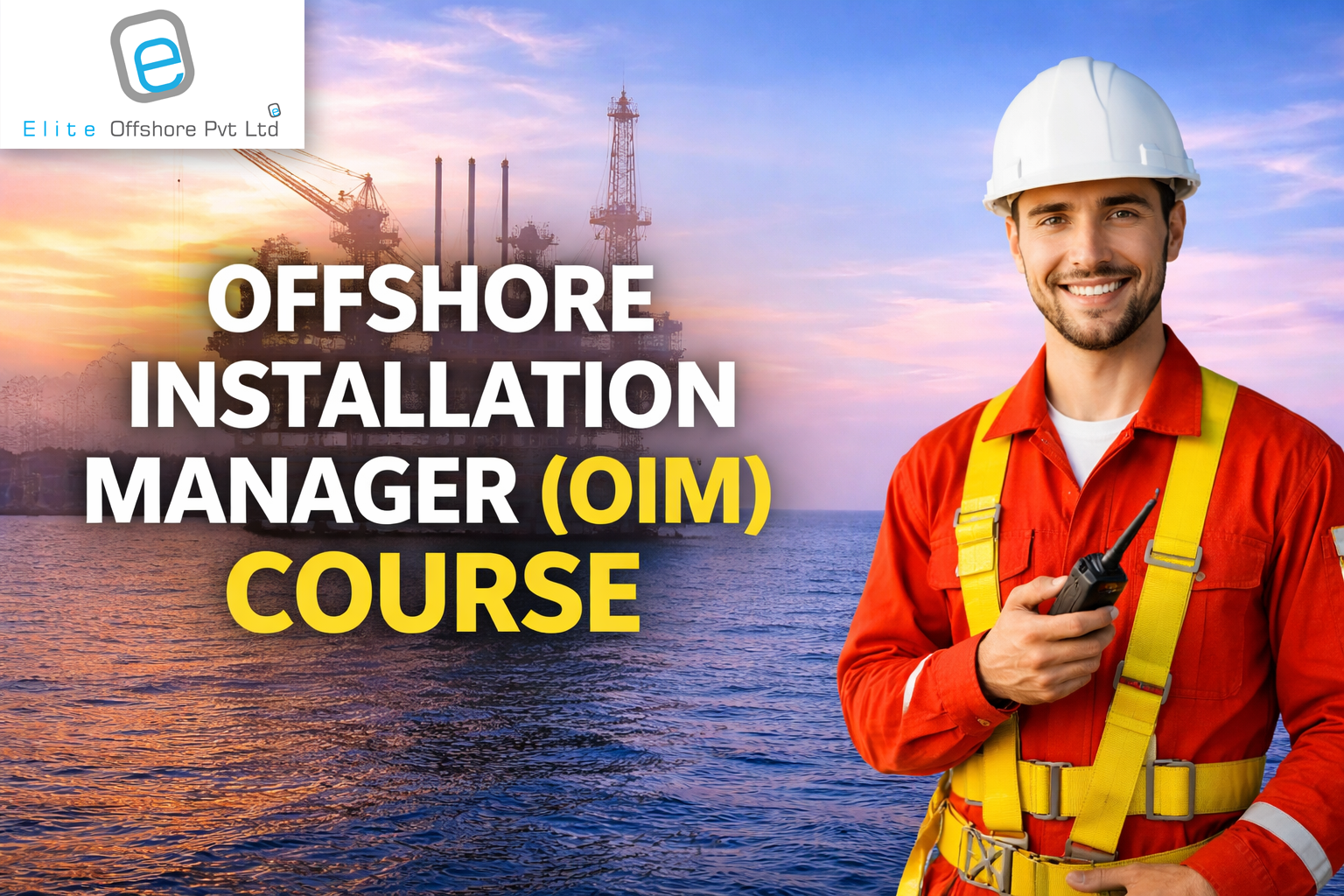
Offshore Installation Manager (OIM) Course – Liberia Approved OIM Certification
Offshore Installation Manager (OIM) Course | Liberia Approved OIM Certification body {font-family: Arial; line-height:1.6; margin:0; color:#333;} .container {width:90%; max-width:1100px; margin:auto; padding:20px;} h1,h2,h3 {color:#0a2a43;} .box {background:#f4f8fb; padding:15px; border-left:5px solid #0073e6; margin:20px 0;} .cta {background:#0073e6; color:#fff; padding:15px; text-align:center; margin:30px 0;} The Offshore Installation Manager Course (OIM Course) is a specialized offshore management training program designed for experienced professionals in the offshore oil and gas industry. This OIM certification course is conducted as per IMO Resolution A.1079(28) and is Liberia Approved, making it a globally recognized offshore leadership qualification. OIM Course Key Details Course: Offshore Installation Manager (OIM) Course Duration: 5 Days Certification: Liberia Approved OIM Certification Standard: IMO 1079(28) Course Mode: Online / Offline / Onsite Tax: +18% GST What is an Offshore Installation Manager? An Offshore Installation Manager (OIM) is responsible for managing offshore platforms, oil rigs, and drilling vessels. This role includes offshore safety management, operations control, and emergency response leadership. Offshore Installation Manager Responsibilities Manage offshore oil and gas operations Ensure offshore safety compliance and HSE standards Lead emergency response and crisis situations Supervise offshore crew and leadership teams Implement Permit to Work (PTW) systems Coordinate with onshore operations teams Offshore Installation Manager Course Overview This Offshore Installation Manager training focuses on offshore safety, leadership, and operational excellence required for senior offshore roles. Course Modules Offshore Safety Management Systems Risk Assessment & Hazard Management Emergency Response & Crisis Management Offshore Operations Management Leadership & Team Management Training Incident Investigation & Reporting Permit to Work (PTW) System HSE Management Offshore Regulations & Compliance Who Should Take This Offshore Management Course? Offshore Supervisors Rig Managers Toolpushers Offshore Engineers Marine Supervisors Production Supervisors OIM Course Eligibility 5–10 years offshore experience Supervisory or management experience Offshore safety training certification Emergency response training Career Opportunities After OIM Certification After completing this Offshore Installation Manager certification, candidates can apply for: Offshore Installation Manager (OIM) Rig Manager Offshore Operations Manager Offshore Project Manager Drilling Supervisor Offshore Safety Manager Why Choose Our Liberia-Approved OIM Course? Liberia Approved OIM Certification IMO 1079(28) compliant training Industry-focused offshore management training Flexible online and offline learning Designed for offshore leadership roles Course Fees Contact us for course fees. +18% GST applicable. Enroll Now in Offshore Installation Manager (OIM) Course Conclusion The Offshore Installation Manager (OIM) Course is essential for professionals aiming for leadership roles in offshore oil and gas. This Liberia Approved OIM Certification ensures global recognition and career growth.
More detailsPublished - Wed, 25 Mar 2026
Search
Popular categories
OSHA & Industrial Safety Courses
16Liberia Approved Rig Courses
6Marine and Offshore
4Offshore Oil and Gas Rig Courses
3IADC Approved - E learning
2Port & Marine Courses
1Latest blogs
Authorized Gas Tester (AGT)
18 Hours Ago

Shoulder Breadth Measurement Training
Fri, 03 Apr 2026
BOSIET Training: Requirements, Course Details, Validity & Career Benefits
Mon, 30 Mar 2026
Write a public review